info@turningpointgh.org

GAPHTO Raises Alarm Over Rising Disease Risks as Floods Hit Ghana
9 Jul
0
GAPHTO Raises Alarm Over Rising Disease Risks as Floods Hit Ghana
The Ghana Association of Public Health Technical Officers (GAPHTO) has urged Ghanaians to take immediate preventive measures against disease outbreaks as the country continues to experience heavy rains and widespread flooding.
In a press release issued on July 6, 2026, the association warned that the devastating floods that struck parts of Accra on June 29, along with similar flooding in Samraboi in the Western Region and other parts of the country, have significantly increased the risk of communicable diseases and public health emergencies.
GAPHTO extended its condolences to families who lost loved ones in the floods and expressed sympathy to affected households whose homes and livelihoods were destroyed.
The association noted that while flooding causes extensive damage to infrastructure and property, its impact on public health is equally concerning. It cautioned that Ghana remains in the peak of the major rainy season and that climate change continues to intensify extreme weather events, making additional episodes of heavy rainfall and flooding likely.
Increased Risk of Disease Outbreaks
According to GAPHTO, floodwaters and poor drainage systems create ideal conditions for the spread of several infectious diseases.
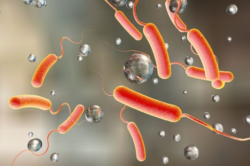
The association identified water-borne diseases such as cholera, dysentery, rotavirus infections and typhoid fever as major threats. It also warned of water-based diseases like schistosomiasis (bilharzia), as well as water-related illnesses including malaria, yellow fever, dengue fever and worm infestations, which are likely to increase during prolonged flooding.
Public Urged to Adopt Preventive Measures
To reduce the risk of disease outbreaks, GAPHTO called on the public to remain vigilant and adhere to key public health measures.
The association encouraged Ghanaians to regularly monitor weather forecasts issued by the Ghana Meteorological Agency before travelling, especially during periods of heavy rainfall. It also appealed to media organisations to provide regular weather updates to help citizens make informed decisions about their safety.
GAPHTO further urged Metropolitan, Municipal and District Assemblies to intensify the desilting and clearing of drains, gutters and waterways to minimise flooding as more rainfall is expected.
The association also stressed the importance of food safety and proper hand hygiene. It advised households and food vendors to eat freshly prepared hot meals, store food under hygienic conditions and maintain regular handwashing with soap and running water, noting that these practices proved highly effective during the COVID-19 pandemic.
Additionally, GAPHTO encouraged the public to keep warm during the rainy season, maintain adequate nutrition and hydration, and seek immediate medical attention if they experience symptoms such as fever, diarrhoea, vomiting, skin rashes or respiratory illnesses. Early reporting of illnesses, it said, is essential for timely treatment and effective disease surveillance.
Public Health Officers Called to Intensify Community Engagement
The association also called on Disease Control Officers, Nutrition Officers, Health Information Officers and Health Promotion Officers across the country to increase their presence in communities, schools, temporary shelters and media platforms.
It urged public health professionals to strengthen health education campaigns, support immunisation for eligible children under five, promote good nutrition among displaced populations, identify and promptly report suspected outbreaks, maintain accurate disease surveillance records, and sustain public awareness through radio, television and community engagement.
Commitment to National Public Health Response
GAPHTO reaffirmed its commitment to working closely with the Ghana Health Service, the Ministry of Health, District Assemblies and other stakeholders to protect public health and support ongoing emergency response efforts. The association called on all Ghanaians to remain vigilant and adopt preventive measures, emphasising that collective action is essential to preventing disease outbreaks during the rainy season.
Source: GAPHTO Press Statement
Categorised in: Disease Outbreak, Ghana, Health Worker Safety, Local, News, Public Health Notice, Public Health Safety, Research, Social Feeds