info@turningpointgh.org

Experts challenge culture of silence among men on mental health
24 Jul
0
Experts challenge culture of silence among men on mental health
According to the Acting Head of Research at the Ghana Mental Health Authority, Samuel Cudjoe Hanu, expressions such as ‘Barima nsu’ (men do not cry) and “man up” have contributed to a culture where many men hide their struggles and delay seeking professional support.
He therefore called on men to break the silence surrounding mental health and seek help whenever they experience emotional distress, stressing that mental health conditions were treatable when identified and managed early.
Mr. Hanu made the call at a mental health outreach programme organised by Mental Health 4 Men (M4M Ghana), a campaign project by Master of Arts Development Communication students of the University of Media, Arts and Communication (UniMAC-IJ), for the Men’s Fellowship of the Evangelical Presbyterian Church, New Abossey Okai Congregation, Mataheko.
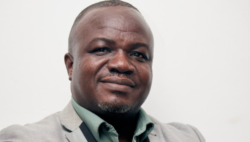
The outreach, held on July 12, formed part of efforts to increase awareness of mental health issues among men and encourage early intervention to reduce the impact of mental illness in communities. Addressing the congregation, Mr Hanu said societal expectations that required men to remain emotionally strong had made it difficult for many to admit when they were struggling.
“Men also go through emotional pain. They experience stress, anxiety and depression, but many are afraid to speak because society expects them to remain strong. When men are stressed, they should speak up. Silence is not an option,” he said.
He encouraged men experiencing psychological difficulties to seek assistance instead of allowing their conditions to worsen, adding that reaching out for support was a sign of responsibility and not weakness.
Mr Hanu also shared the Ghana Mental Health Authority’s toll-free helpline, 0800 678 678, and urged individuals facing emotional or psychological challenges to use the service for support.
The programme highlighted concerns about the country’s mental health situation, with M4M Ghana citing World Health Organization (WHO) estimates that more than 2.3 million Ghanaians live with various mental health conditions, while a significant number lack access to appropriate treatment.
The group also referenced the WHO Ghana STEPS Survey (2023), which indicated that 6.4 per cent of men experience moderate to severe depression, while 3.1 per cent of men aged between 18 and 69 had seriously considered attempting suicide within the previous 12 months.
Data from the Ghana Mental Health Authority further showed that 134 suicide deaths were recorded in 2024, representing a 40 per cent increase compared with the previous year.
M4M Ghana said the figures demonstrated the need for stronger efforts to address stigma, expand mental health education and create safe spaces where men could discuss their emotional struggles without fear of judgement. The outreach also featured presentations on identifying signs of mental health disorders, available support services and an interactive session where participants discussed ways of promoting positive mental wellbeing within their families, churches and communities.
Source: Joynews
Categorised in: Africa, Ghana, Local, Mental Health, News