info@turningpointgh.org

Zipline Ghana: Delivering Health to Hard-to-Reach Communities
10 Jul
0
Zipline Ghana: Delivering Health to Hard-to-Reach Communities
Zipline Ghana is changing how critical medical supplies reach people, particularly in remote and underserved areas. Through an innovative partnership with Ghana’s Ministry of Health, Zipline operates the world’s largest medical drone delivery network — a system that has become an essential part of Ghana’s health infrastructure.
Many communities in Ghana face tough challenges when it comes to getting timely medical care. Poor road networks, floods, and long travel times can turn an urgent medical need into a tragedy. Before Zipline, a hospital short on blood or vaccines often waited hours or days for restocking, putting patients at risk.
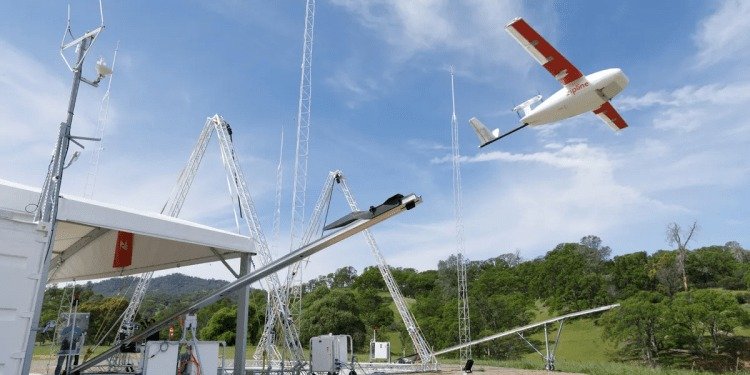
Zipline’s drones have turned this around. Each drone can carry vaccines, blood, test samples, and other critical medicines, delivering them quickly and safely by air. Because drones fly directly to their destination, they avoid delays caused by road conditions and traffic.
Track Record
Zipline began in Rwanda, where it launched the world’s first national drone delivery program for blood supplies in 2016. Before Zipline, women in remote areas of Rwanda often died from postpartum hemorrhage because blood could not reach them in time. Zipline’s service cut delivery times from hours to minutes, reducing preventable deaths and transforming maternal care.
In Rwanda, Zipline now covers about 75% of the country’s blood supply outside the capital, with similar success in delivering vaccines and essential medicines. Inspired by these results, other countries including Nigeria, Kenya, Côte d’Ivoire, and parts of the United States have adopted Zipline’s model to address their own supply chain gaps.
In the US, Zipline drones deliver medical supplies to hospitals and pharmacies in North Carolina and Utah, proving that this approach is not only for rural Africa but also for modern, urban contexts where speed and efficiency are critical.

Impact in Ghana
Today, Zipline serves over 2,700 hospitals and clinics across Ghana. Since operations began, the service has completed more than half a million deliveries. In emergencies ranging from severe bleeding in childbirth to critical vaccine shortages; Zipline’s rapid response has saved lives that might otherwise have been lost due to distance or delay.
When COVID-19 struck, Zipline became an essential tool in Ghana’s pandemic response. Drones transported thousands of test samples from rural clinics to major labs in Accra and Kumasi, cutting delivery times from days to under an hour. This helped health officials track and contain outbreaks more effectively, even in the most remote districts.
Zipline’s work has directly reduced vaccine stockouts, increased immunization coverage, and ensured that remote facilities have the same access to supplies as urban hospitals. By keeping essential products in constant flow, the service helps strengthen trust in the health system.
Why Expansion Matters
While Zipline has made remarkable progress in improving access to essential medical supplies in Ghana, there are still many communities that remain out of reach. Several regions continue to face unreliable supply chains for critical health products, putting patients at risk when timely deliveries matter most. Expanding Zipline’s drone delivery network nationwide would help bridge these gaps, ensuring that lifesaving medicines, vaccines, and emergency supplies reach every health facility, no matter how remote.
A broader rollout aligns with Ghana’s commitment to achieving universal health coverage. By establishing additional distribution hubs, extending flight routes, and training local personnel to manage operations sustainably, Zipline can strengthen the national health system and make sure that no patient is denied care because of their location.
Looking Ahead
Zipline’s success story in Ghana demonstrates that strategic use of technology, backed by strong partnerships, can overcome persistent barriers in healthcare delivery. Its proves that drone logistics can make the difference between delayed treatment and lives saved.
Extending this service to every region in Ghana is more than a technological milestone, it is a practical, proven solution to the challenge of delivering equitable healthcare. Investing in this expansion will help build a more resilient health system and safeguard the wellbeing of communities across the country.
Categorised in: News