info@turningpointgh.org

Korle Bu Teaching Hospital: Ghana’s Legacy of Healing Since 1923
9 Jul
0
Korle Bu Teaching Hospital: Ghana’s Legacy of Healing Since 1923
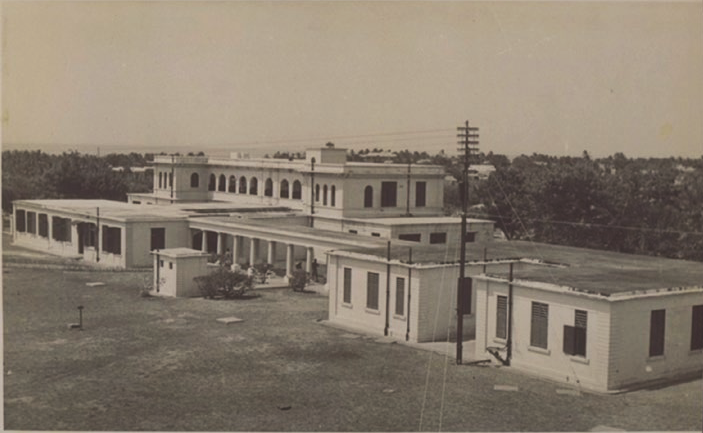
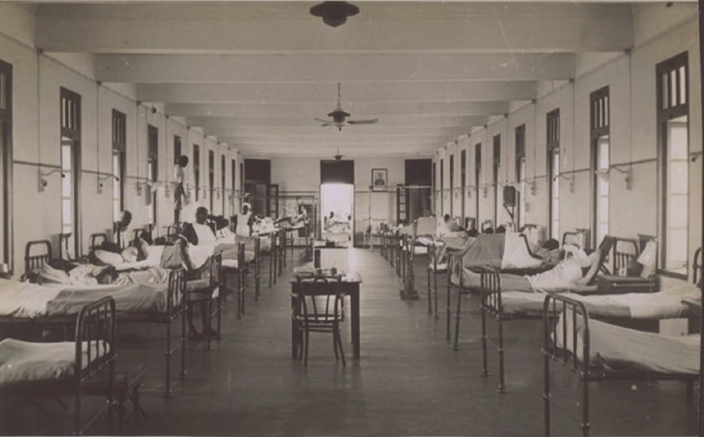
Korle Bu Teaching Hospital was established on October 9, 1923, with a 200-bed capacity to serve the local population under Governor Sir Gordon Guggisberg. Its name, “Korle Bu,” means “valley of the Korle lagoon.”
Rising demand for hospital-based care led to major expansions. By 1953, a government task force recommended new facilities. This resulted in the Maternity, Medical, Surgical, and Child Health Blocks, raising capacity to 1,200 beds.
In 1962, Korle Bu became a teaching hospital with the establishment of the University of Ghana Medical School. Today, the hospital hosts six health training institutions under the College of Health Sciences, all of which rely on Korle Bu for clinical training and research.
Korle Bu now has 2,000 beds, 17 clinical and diagnostic departments, and handles about 1,500 outpatient visits and 250 admissions daily. Key departments include Medicine, Child Health, Surgery, Obstetrics and Gynaecology, Pathology, Radiology, Anaesthesia, and Accident and Emergency.
The hospital offers advanced services in areas like neurosurgery, cardiothoracic surgery, oncology, renal care, paediatric surgery, and reconstructive plastic surgery. Its centres of excellence — including the Reconstructive Plastic Surgery and Burns Centre, National Cardiothoracic Centre, and Radiotherapy and Nuclear Medicine Centre — attract patients from neighbouring countries such as Nigeria, Togo, and Burkina Faso.
Korle Bu has pioneered several medical milestones in Ghana, including the country’s first kidney transplant and DNA investigations. It also offers brachytherapy for prostate cancer and minimally invasive (keyhole) surgeries. Plans are in place to expand into molecular testing and advanced technology to position Ghana as a health tourism hub in West Africa.
Categorised in: News